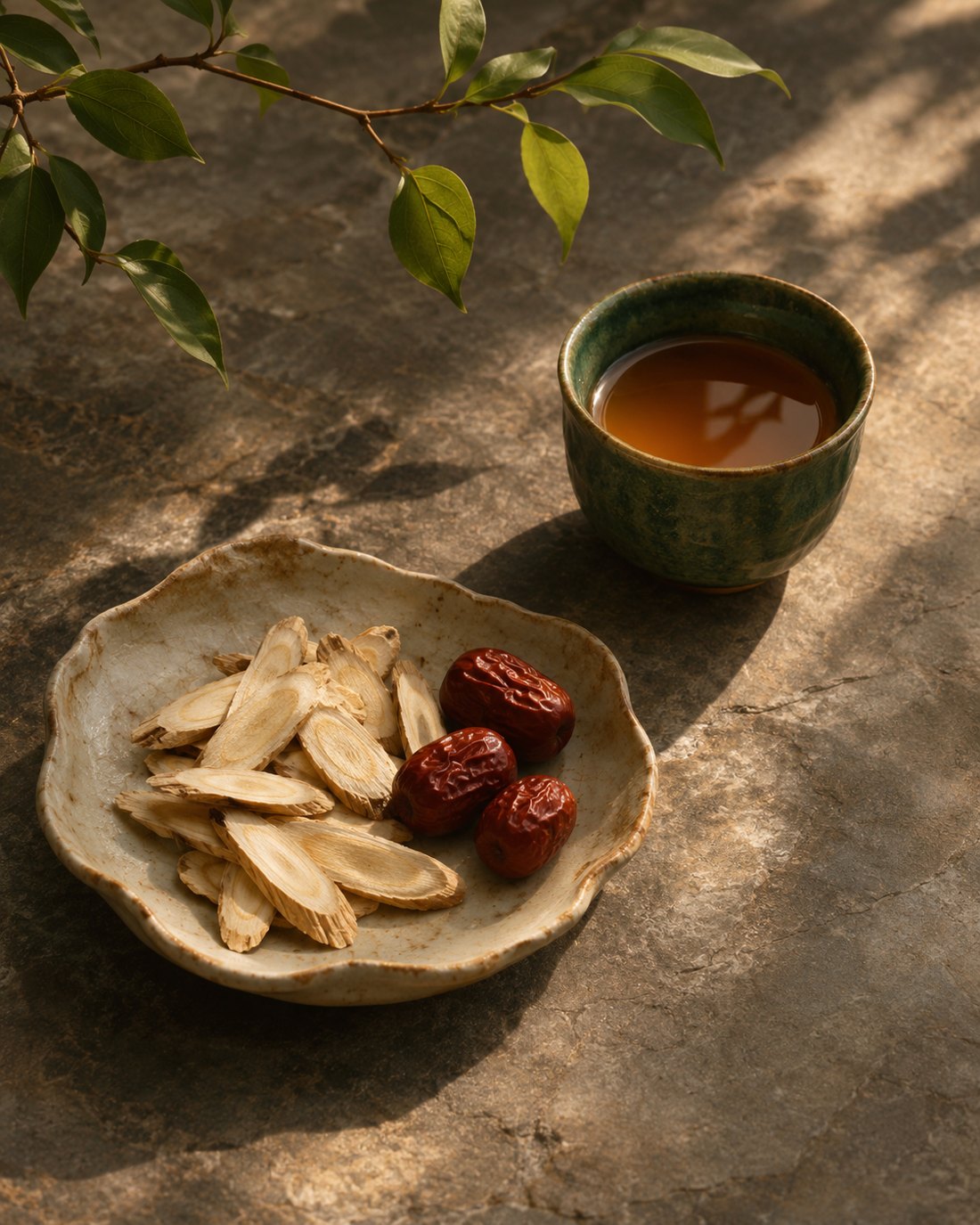
What is traditional Chinese medicine?
Traditional Chinese medicine (TCM) developed in China over thousands of years. It encompasses practices including acupuncture, herbal medicine, dietary approaches, tai chi and qigong. Today, China has universities dedicated to Chinese medicine and hospitals where it is taught and practiced.
Outside China, it can be difficult to find a Chinese medicine practitioner, understand their qualifications, and book a consultation in a language you’re comfortable with.
We believe the best place to start is a direct conversation with a professional who can answer your questions and explain their guidance. A Chinese medicine practitioner can explain how they think about your questions. A health management specialist can help you consider how those ideas fit your food choices and daily life. In either case, you have room to ask why a recommendation was made and what you can take from it.
NIH overview of TCM
What is TCM-informed wellness?
A wellness consultation brings dietary and lifestyle perspectives from Chinese medicine into a conversation about your everyday health. You might discuss your diet, sleep, energy and what you want to understand about your health. A practitioner may help you decide whether a personalized food-grade tea blend is appropriate and explain the reasoning behind their recommendation.
Chinese herbal medicine is a distinct clinical service. Where available, a qualified clinician decides whether a medicinal formula is appropriate, and a third-party provider handles fulfillment. If you’re managing a diagnosed condition or taking medication, bring questions about teas, herbs and possible interactions to your healthcare professional.
What does research say?
Researchers study specific practices for specific health concerns. For example, the NIH’s NCCIH notes that acupuncture and tai chi may help with certain pain conditions or aspects of quality of life. Findings for Chinese herbal products vary by product and condition.
- Blood pressure
- Clinical studies have evaluated hibiscus tea and other hibiscus preparations. Some found lower blood pressure in the groups studied. Read the research review.
- Cholesterol
- A review summarized by NCCIH found small reductions in total and LDL cholesterol with green tea products. Most studies tested extracts, so the results have limited applicability to brewed green tea. Read the NIH summary.
- Anxiety and insomnia
- Early studies of chamomile supplements for anxiety are inconclusive. NCCIH also reports very little evidence on chamomile for insomnia. Read the NIH summary.
These are examples of research on individual ingredients and practices. For high blood pressure, high cholesterol, persistent anxiety or insomnia, discuss care with a qualified clinician and continue your prescribed treatment unless that clinician advises otherwise.
Why practitioners look at the tongue
Tongue observation is a distinctive part of visual examination in traditional Chinese medicine. Practitioners look at the tongue itself and the coating on its surface. They may note features such as color, shape, moisture and the appearance of the coating.
A clear photo gives your practitioner a visual reference in a written consultation. The practitioner considers it together with your symptoms and health history. A tongue photo alone cannot establish a medical diagnosis.
Related terminology appears in the WHO terminology reference for traditional medicine.
What happens in a consultation?
Choose a health management specialist for food and lifestyle guidance, or a Chinese medicine practitioner to discuss your goals from a Chinese medicine perspective. Your follow-up summary can explain what was discussed, whether a food-grade tea blend fits your preferences, and any considerations to review before using it.
 Orivetha · Sample follow-up summary
Personalized tea consultation
Practitioner Lina Zhou · Health Management Specialist (sample profile)
- What we discussed
- You asked about a caffeine-free tea that fits your taste and dietary preferences.
- Your tea guidance
- A personalized summary may include food-grade ingredients, brewing instructions and any ingredients to avoid based on information you share.
- How to get it
- Use the ingredient list to source the ingredients yourself, or choose the tea blend through Orivetha where available.
Explore consultations